
Orthopedic Trauma Surgeons
The specialty of orthopedic trauma surgery is an essential and integral part of modern medicine, helping people maintain mobility and quality of life. These specialists focus on the health of bones, joints, muscles, tendons, and ligaments. Their field is important not only for treating injuries but also for preventing and managing a wide range of musculoskeletal conditions. Orthopedic trauma surgeons play a vital role in ensuring that patients can enjoy a full and active life, regardless of their age or level of physical fitness.
Key Responsibilities
Orthopedic trauma surgeons specialize in diagnosing and treating disorders of the musculoskeletal system. They commonly manage conditions such as fractures, dislocations, sprains, joint inflammation, degenerative diseases such as osteoarthritis, and congenital skeletal deformities. They also provide expert care for sports-related injuries, helping patients recover more quickly and effectively.
When necessary, orthopedic trauma surgeons perform surgical procedures to restore the function of bones and joints. These procedures include joint replacement surgery, fracture fixation, ligament reconstruction, and other complex orthopedic operations.
When to See an Orthopedic Trauma Surgeon
Patients should consult an orthopedic trauma surgeon if they experience persistent joint or muscle pain, restricted movement, or have sustained an injury such as a bone fracture or joint dislocation. It is also advisable to seek specialist evaluation if there is joint swelling, deformity, or difficulty performing everyday activities such as walking, standing up from a seated position, or climbing stairs.
Preventive consultations may also be beneficial, particularly for older adults or individuals with a family history of joint disorders.
Collaboration with Other Specialists
Orthopedic trauma surgeons frequently work closely with other healthcare professionals. For example, they collaborate with rehabilitation specialists to develop effective recovery programs following injuries or surgical procedures. They also consult with radiologists to accurately diagnose musculoskeletal conditions using imaging techniques such as X-rays, MRI, and CT scans. In addition, they often coordinate care with family physicians to ensure patients receive comprehensive and continuous medical treatment.
Conclusion
Orthopedic trauma surgeons play a crucial role in preserving mobility and improving quality of life. Their expertise in diagnosing and treating musculoskeletal disorders not only helps patients recover from injuries but also supports long-term health and an active lifestyle. Through close collaboration with other healthcare professionals, they provide comprehensive, high-quality patient care. This medical specialty is fundamental to both individual well-being and public health.


 LT
LT
 EN
EN


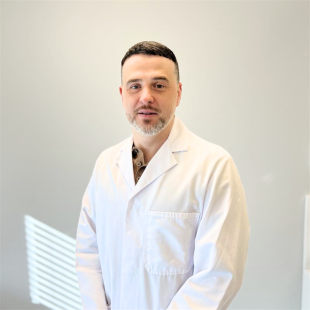
-cr-310x310.png "Andrius Vaitiekus")
-cr-310x310.png "Tomas Juodelis")


-cr-310x310.png "Gediminas Lukaševičius")